By Ground Reporter · Mandibhav Market Insights
Drought, Dirt, and Distress: Unpacking Karnataka’s Paradoxical Tomato Price Conundrum
Standing under the punishing sun at the Kolar APMC mandi—one of Asia’s largest tomato marketing hubs—the air smells faintly of overripe, crushing fruit. Crates of vibrant red tomatoes are stacked high, stretching as far as the eye can see. To an outsider or an urban consumer, this looks like a harvest bumper crop. But speak to the dirt-caked farmers standing beside these stacks, and you’ll quickly realize you are looking at the scene of an agricultural tragedy.
Karnataka is currently gripping with one of its worst droughts in recent memory, with over 100 taluks officially declared drought-affected. Yet, walking through the wholesale mandis today, retail prices are rock-bottom, and farmers are dumping produce on asphalt roads in sheer desperation. How does a crippling moisture deficit lead to a market glut?
Welcome to the cruel, double conundrum of Karnataka’s tomato economy.
Phase 1: The Distress Flush (Why Prices Crashed Today)
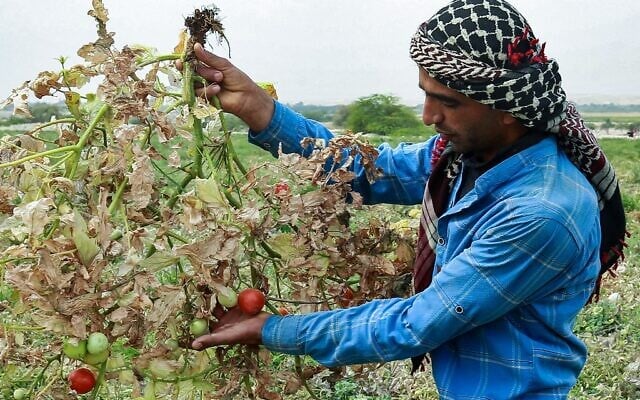
The paradox begins in the dry fields of Chikkaballapur, Kolar, and Chitradurga. Tomatoes are delicate, water-intensive crops requiring precise irrigation. As groundwater tables plummeted and borewells began sputtering mud across South Interior Karnataka, farmers faced an agonizing choice: watch their vines die slowly under scorching temperatures, or strip every single fruit off the plant immediately to save whatever moisture remained.
They chose the latter. Drought and high ambient heat accelerate the ripening process, forcing entire fields of tomatoes to mature simultaneously rather than yielding gradually over an 8-to-10-week harvest cycle. Coupled with fears of heat-induced pest outbreaks like leaf-curl virus, farmers rushed their entire yield to local mandis all at once.
"I spent ₹1.2 lakh on my two-acre plot. But my borewell dropped to 800 feet last month. The fruits were turning red on prematurely stunted vines. If I didn't harvest now, they would rot in the sun. Today, the mandi trader offered me ₹60 for a 25-kg crate. That doesn't even cover the cost of the plastic box, let alone my labor."
— Manjunath Gowda, Tomato Cultivator from Srinivasapur
When millions of kilograms of highly perishable produce hit the mandis within the same narrow window, basic economics takes over. Wholesale prices crashed to an appalling ₹3 to ₹5 per kilogram. Transporting a crate to market costs more than the crate itself brings in, triggering the wave of panic harvesting and distress sales dominating the news today.
The Two-Phase Drought Trap in Perishable Markets
- Ground Moisture Failure: Borewells dry up; extreme heat forces rapid, premature ripening.
- Mandi Over-Saturation (Current): Farmers strip vines early to cut losses, flooding wholesale hubs. Prices crash.
- Sowing Abandonment: Heavy financial losses + zero irrigation force farmers to leave fields fallow.
- The Supply Deficit (Coming Q4): Standing stock clears out; zero new harvest enters the pipeline. Prices skyrocket.
Phase 2: The Inevitable Vacuum (Why Prices Will Spike Tomorrow)
While urban kitchens in Bengaluru are enjoying temporary relief with cheap retail tomatoes, this artificial abundance is a ticking clock. The second half of this conundrum is set to hit consumers sharply as we progress through the coming months.
The current flood of tomatoes is not a sign of healthy production; it is the final gasp of dying fields. Once this distress-harvested crop is cleared out over the next few weeks, a massive supply vacuum will open across the state. The reasons are two-fold:
- Financial Ruin Prevents Re-sowing: Having lost tens of thousands of rupees per acre in the current crash, smallholder farmers simply do not have the capital left to buy seeds, fertilizers, and nursery saplings for the next cropping cycle.
- The Water Reserve is Gone: Even if a farmer manages to secure credit, the lack of groundwater makes planting a new crop impossible. Micro-irrigation ponds are dry, and dryland tomato belts have no rain forecast to sustain new saplings through their critical early growth stages.
What Lies Ahead for Consumer Pockets?
As wholesale arrivals at major APMC yards drop sharply in the late third and fourth quarters, supply will fall far short of daily demand. Inter-state inflows from Andhra Pradesh or Maharashtra—which are battling their own micro-climate stresses—will carry heavy freight surcharges.
Market analysts at Mandibhav anticipate that the current low retail rates will rapidly reverse, with prices expected to climb past ₹60 to ₹100 per kg before the year closes. What feels like a buyer's market today is directly paving the way for severe retail inflation tomorrow.
Until structural interventions—such as decentralized cold storage, solar-powered processing units, and robust price-stabilization funds—reach ground zero in districts like Kolar, Karnataka's tomato growers and everyday consumers will remain locked in this heartbreaking cycle of feast and famine.